Home / Services / Attic Insulation
Homes, farms and shops
Attic Insulation in Greenbrier, AR
Attic insulation and air sealing shaped for rural Faulkner County heat, older farmhouse framing and country homes on acreage.
Attic insulation in Greenbrier is usually a battle against afternoon heat. Roofs over farmhouses and ranch homes on acreage take sun for hours, and the space under the deck can stay hot well into the evening. That warmth pushes through the ceiling, makes upstairs rooms uneven and keeps the air conditioner running after sunset. Greenbrier Spray Foam Insulation installs attic systems for climate zone 3A, where humid summers and cooling load matter more than long stretches of deep cold.
Why Greenbrier attics get so hot
A vented attic on a rural property works like a holding tank for heat. Shingles and metal roofing collect solar gain, the deck radiates downward, and the trapped air under the roof climbs past the temperature outside. Gaps at can lights, attic stairs, top plates and duct chases give that heat a direct route into the rooms below. Plenty of older Faulkner County homes still have thin insulation that has settled around the joists, while newer homes near the Conway area may meet a minimum depth and still leave comfort on the table.
Ductwork in a hot attic is a cooling penalty
Many country homes route ducts and the air handler through the attic because the floor plan grew over time. Every foot of duct surrounded by hot attic air loses cooling before it reaches a bedroom, and every loose joint can pull dusty, humid air toward the system. Sealing the ceiling plane and adding depth lowers the stress on those ducts. When the equipment has to stay overhead, moving the boundary to the roof deck with foam can bring the ducts into a more controlled space.
Blown-in top-ups versus spray foam at the roof deck
There are two solid paths, and the right one depends on how the attic is used. If the space is vented and only holds storage, air sealing the attic floor and adding blown-in insulation to a measured depth is often the best value. If ducts, a furnace or future finished space are overhead, spray foam at the roof deck can convert the attic to an unvented assembly and keep heat and humidity away from the equipment. We quote both routes in writing when a home could go either way.
Ventilation still matters
More material on the attic floor only works when the ventilation path stays open. Soffit vents need clear intake, baffles belong at the eaves so insulation does not block airflow, and ridge or roof vents need an unobstructed exit. When we top up an attic, protecting that path is part of the scope. When we foam the roof deck instead, the venting plan changes by design, and we explain that difference before work is scheduled.
Attic insulation estimates in the Conway area
Every attic estimate starts with a look inside the attic. We measure existing depth, check for ceiling leaks, trace where ducts run and watch for moisture staining or ventilation trouble that new material would only cover up. You get a written scope naming the product, the installed depth and the areas included. Call 501-476-7116 or use the quote form to schedule a free visit. We also handle crawl space insulation and metal building insulation when the project reaches beyond the attic.
Questions
Common questions
Should I insulate the attic floor or the roof deck?
If the attic is vented and used only for storage, sealing and blowing in the floor is usually the best value. If ducts or equipment live overhead, spray foam at the roof deck brings them inside the conditioned space and often performs better through Greenbrier summers.
How much insulation does a Greenbrier attic need?
This part of Arkansas sits in climate zone 3A, where attics call for substantially more depth than many older rural homes have. We measure what is there and quote the added depth needed in writing.
Will new attic insulation lower my summer electric bills?
Reducing attic heat gain and air leakage cuts the load on your air conditioner, which is the biggest driver of summer electric use in this climate. We cannot promise a specific dollar figure, but the attic is almost always the highest-impact area to upgrade.
Want to know what your attic project would cost?
Tell us about the home and we will measure the attic before quoting anything.
Free written estimates • No obligation • Local team
Explore more
Other insulation services
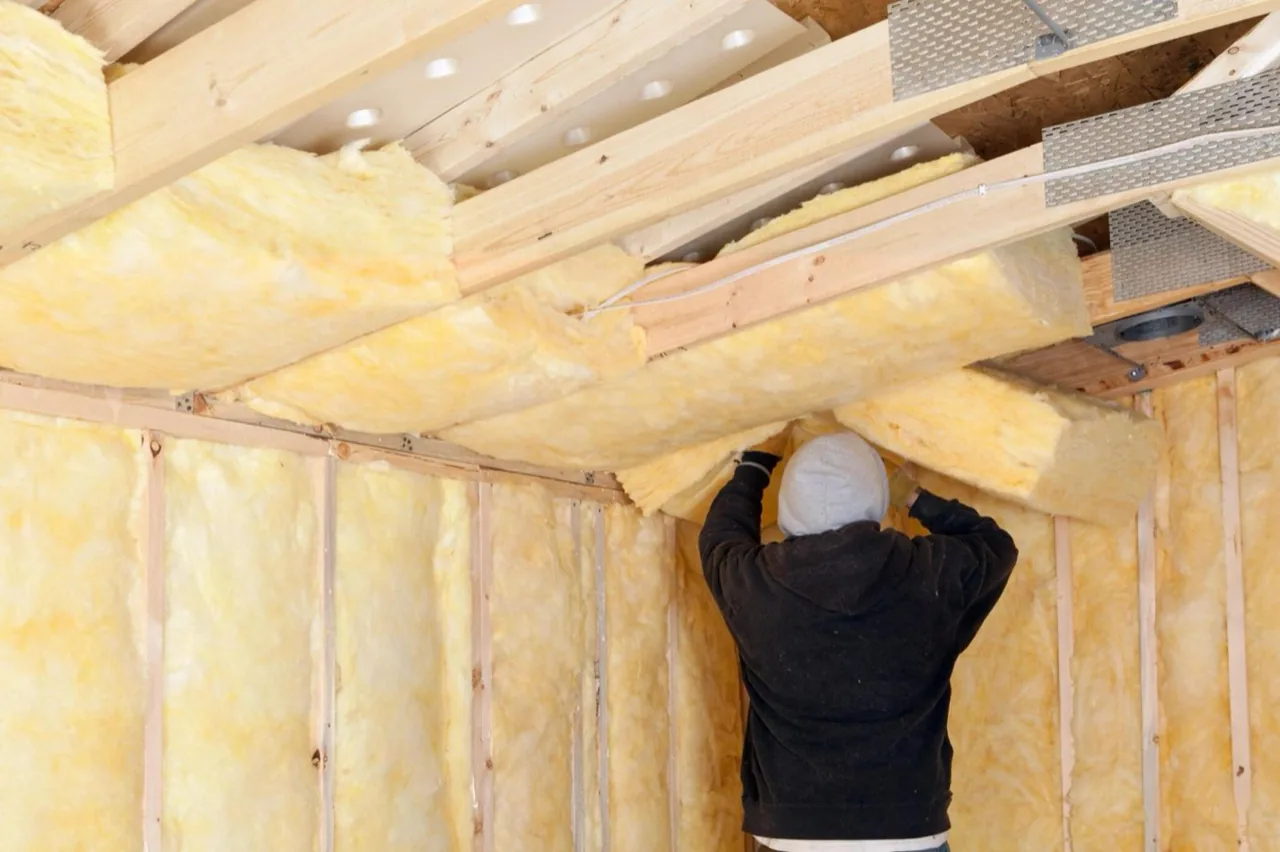 Blown-In InsulationBlown-in coverage for attic floors and retrofit walls, installed to a measured depth for farmhouses, additions and acreage homes.Explore service →
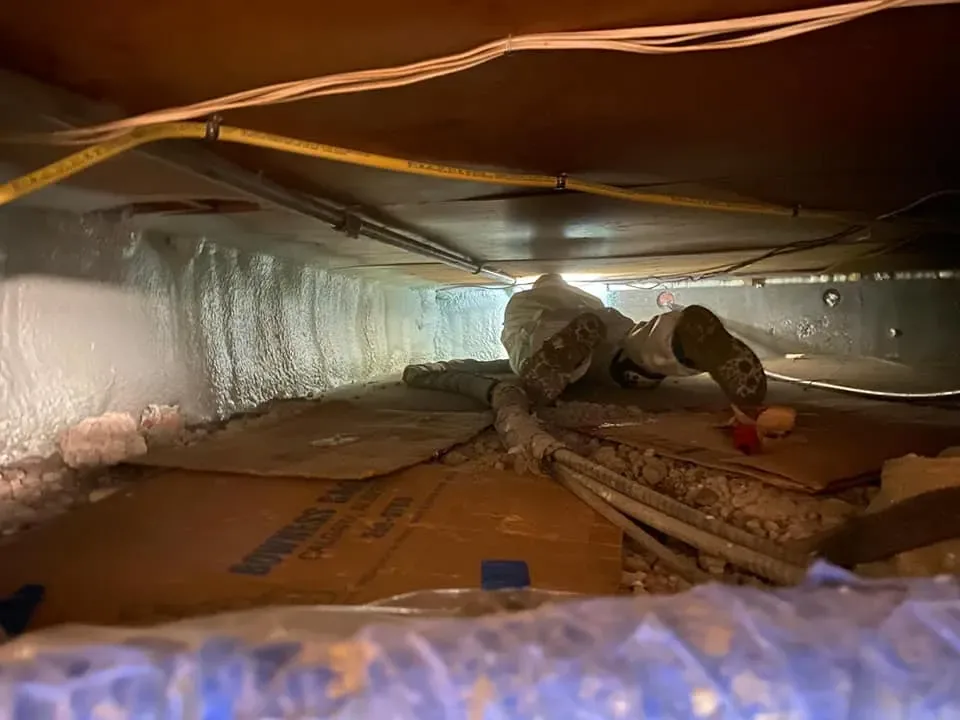 Crawl Space InsulationInsulation and air sealing for damp rural crawl spaces, helping with ground moisture, musty rooms and cold floors.Explore service →